

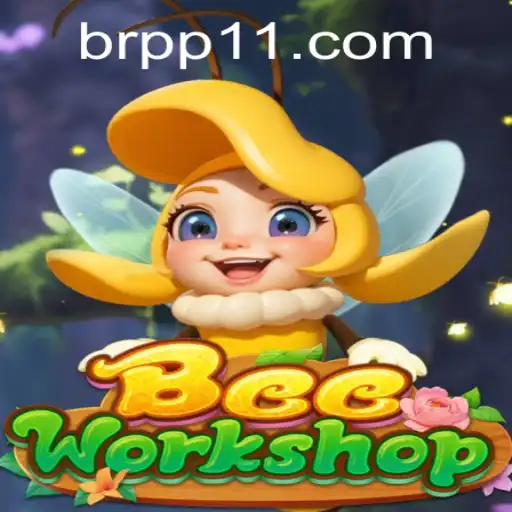

Dive into the vibrant world of BeeWorkshop, an engaging game that brings the buzzing life of bees to your screen. Explore its gameplay, rules, and strategies that make it a unique gaming experience in today's digital landscape.
The Buzz on 'BeeWorkshop': A Comprehensive Guide to Gameplay and Strategies
In the world of interactive entertainment, BeeWorkshop emerges as a captivating and innovative game that accepts both seasoned gamers and newcomers with open wings. Offering a unique blend of strategy, creativity, and real-world inspiration, BeeWorkshop has carved out a niche that resonates with players of diverse interests. As the digital landscape continuously evolves, BeeWorkshop maintains relevance by infusing contemporary themes and updates that keep the gameplay fresh and engaging.
Introduction to BeeWorkshop
At its core, BeeWorkshop is a charming simulation game that immerses players in the intriguing ecosystem of bee colonies. Released amidst a growing global awareness of environmental and ecological conservation, the game reflects timely themes through its gameplay mechanics and objectives. Players are tasked with managing a bee colony, ensuring its growth, survival, and prosperity in a vibrant virtual world.
The narrative underlying BeeWorkshop highlights the critical role bees play in our ecosystem, blending education with entertainment. This approach not only provides an enjoyable experience but also fosters a deeper understanding and appreciation of bees and their environmental significance. The integration of real-world issues such as climate change, habitat loss, and the importance of pollinators makes BeeWorkshop more than just a game; it becomes a medium of awareness and advocacy.
The Gameplay Dynamics
BeeWorkshop offers a multifaceted gameplay experience where players transition between roles of management, strategy, and creative design. Starting as a novice beekeeper, players are introduced to the fundamental dynamics of bee colony management. The initial levels serve as a tutorial, guiding players through the basic mechanics and interface.
As players advance, the game introduces more complex challenges and objectives. These include expanding the bee colony, ensuring the health and productivity of the hive, and navigating environmental obstacles. Tasks such as planting and maintaining a diverse array of flora, defending against natural predators, and optimizing honey production require strategic decision-making and critical thinking. The game also features elements of resource management, where players must balance various factors to sustain their increasingly complex colonies.
Rules and Objectives
The primary objective in BeeWorkshop is to build and sustain a thriving bee colony. Players must complete a series of goals and tasks to progress through levels and unlock new content. The rules are designed to mimic real-world beekeeping practices, providing a realistic framework within which players can exercise creativity and problem-solving skills.
One of the key aspects of BeeWorkshop is resource management. Players must efficiently manage resources such as nectar, pollen, and the population of worker bees to ensure the colony's success. Overharvesting resources or neglecting certain tasks can lead to setbacks, prompting players to constantly reassess and adjust their strategies.
Cooperative gameplay elements are also integral to BeeWorkshop. Players can engage with a community of virtual beekeepers to exchange resources, share best practices, and collaborate on environmental missions. The inclusion of seasonal events and challenges encourages players to revisit the game regularly, fostering a dynamic and ever-evolving experience.
Integrating Current Events
In alignment with current global trends, BeeWorkshop incorporates elements that reflect contemporary environmental issues. For instance, recent updates have introduced gameplay scenarios where players must address the impacts of climate change on bee populations. This incorporation not only enhances the game's educational aspect but also encourages players to remain informed and active in real-world conservation efforts.
The game's developers frequently host virtual events that resonate with current environmental campaigns and awareness days. These events provide players with unique challenges and exclusive rewards, enhancing engagement and encouraging positive action both in-game and in the physical world.
Use of Technology and Innovation
BeeWorkshop leverages cutting-edge technology to deliver an immersive gaming experience. With high-quality graphics and intuitive controls, the game allows players to become fully engrossed in the life of a beekeeper. The use of artificial intelligence enhances the organic behavior of the bees, providing a realistic simulation that is both challenging and rewarding.
Additionally, accessibility features ensure that BeeWorkshop can cater to a diverse audience. Customizable controls, adjustable difficulty settings, and comprehensive tutorials make the game accessible for players with varying skills and abilities. This inclusivity reflects a broader trend within the gaming industry to provide experiences that are enjoyable and approachable for all.
Conclusion
BeeWorkshop stands out as a prime example of how games can transcend traditional entertainment, serving as powerful tools for education and advocacy. With its engaging gameplay, timely themes, and vibrant community, BeeWorkshop continues to capture the hearts of gamers and environmental enthusiasts alike.
The game's emphasis on cooperation and community engagement reflects the broader societal trend towards collaborative solutions for global challenges. As players navigate the trials and triumphs of beekeeping, they gain a deeper appreciation for the intricate balance of nature and our role in preserving it for future generations. Through BeeWorkshop, gaming becomes a conduit for connection, learning, and positive change.